
Why Flutter’s Future Looks Bright
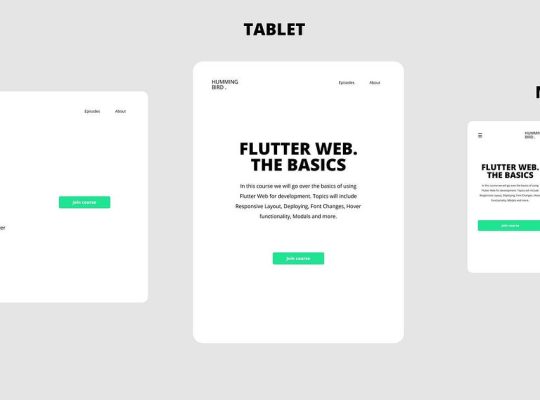
Flutter is evolving well beyond mobile—it’s transforming into a unified cross-platform powerhouse. By 2025, it’s becoming the go-to framework for startups and enterprises alike, offering one codebase across mobile, web, desktop, embedded systems, and more Mediumflutternest.com.
Key Trends Shaping Flutter’s Future
1. Embracing AI, ML, and Generative Tools
AI is taking center stage. With tools like Google’s AI Toolkit, TensorFlow Lite, and ML Kit integrating into Flutter, developers can build smarter apps featuring real-time analytics, personalization, and enhanced UX Mediumahex.co.
2. WebAssembly Boosts Flutter Web
Flutter Web with WebAssembly (Wasm) is now production-ready. Expect faster load times, smoother animations, and smaller bundle sizes—making Flutter viable across browsers Mediumahex.co.
3. Enterprise Adoption & Developer Experience Enhancements
Flutter isn’t just for indie devs—more enterprises are adopting it for internal apps, B2B platforms, and SaaS products. Key improvements like CI/CD support, backend integration, accessibility widgets, and enhanced testing workflows reinforce Flutter’s appeal for large-scale systems IrohubMedium.
4. AR/VR, IoT, and Game Development
Flutter is expanding its scope! Developers are now building AR/VR features, IoT dashboards, and lightweight 2D games using frameworks like Flame and custom renderers IrohubMedium.
5. Low-Code Tools & Automation
Tools like FlutterFlow, Codemagic, and fastlane are simplifying app development and deployment, making Flutter accessible to designers and enabling fast prototyping with robust CI/CD pipelines MediumMedium.
6. Performance, Rendering & Dev Tools
Flutter continues to optimize performance with features like Impeller rendering engine (Vulkan backend), improved debugging tools, memory leak detection, and smart performance monitoring Mediumahex.co.
7. Ecosystem Growth & Community Strength
With over 30,000 packages on pub.dev and strong open-source momentum—including community plug-ins, conferences, meetups, and enterprise-sponsored projects—Flutter’s ecosystem is more vibrant than ever IrohubMedium.
Career Opportunities: Is Learning Flutter Worth It?
There’s abundant optimism for Flutter—but the job market varies regionally. Some developers report fewer job listings compared to React Native or native mobile roles, especially in regions unfamiliar with Dart Reddit+2Reddit+2.
However, Flutter’s growth across global giants like Alibaba, eBay, and Google Pay—alongside startups worldwide—indicates strong career potential for those embracing cross-platform, scalable development MediumLinkedIn.
Summary Table: What’s Next for Flutter?
| Trend | What It Means for Developers & Businesses |
|---|---|
| AI & ML Integration | Build smarter, more responsive apps with personalization and AI-driven UX |
| WebAssembly Support | High-performance web apps with Flutter, rivaling native web experiences |
| Enterprise Features | More tooling for teams: CI/CD, accessibility, testing, scalability |
| AR/VR, IoT & Gaming | Build immersive, interactive UIs using Flutter’s expanding capabilities |
| Low-Code & Automation | Faster prototyping and deployment using visual tools and streamlined workflows |
| Performance Tooling | Better app speed and reliability with improved rendering & profiling tools |
| Growing Ecosystem | More packages, plugins, and open-source tools for building diverse features |
Final Takeaway
In 2025 and beyond, Flutter is stepping into the future: AI-powered, multi-platform, and enterprise-ready. If you’re planning a mobile, web, desktop, or even IoT app, Flutter offers a unified path forward.
Want a leg up? Focus on mastering AI integrations, cross-platform UI, and enterprise-grade tooling—that’s where the demand and innovation are heading.